

Esports Careers: Exploring Professional Paths Beyond Gaming
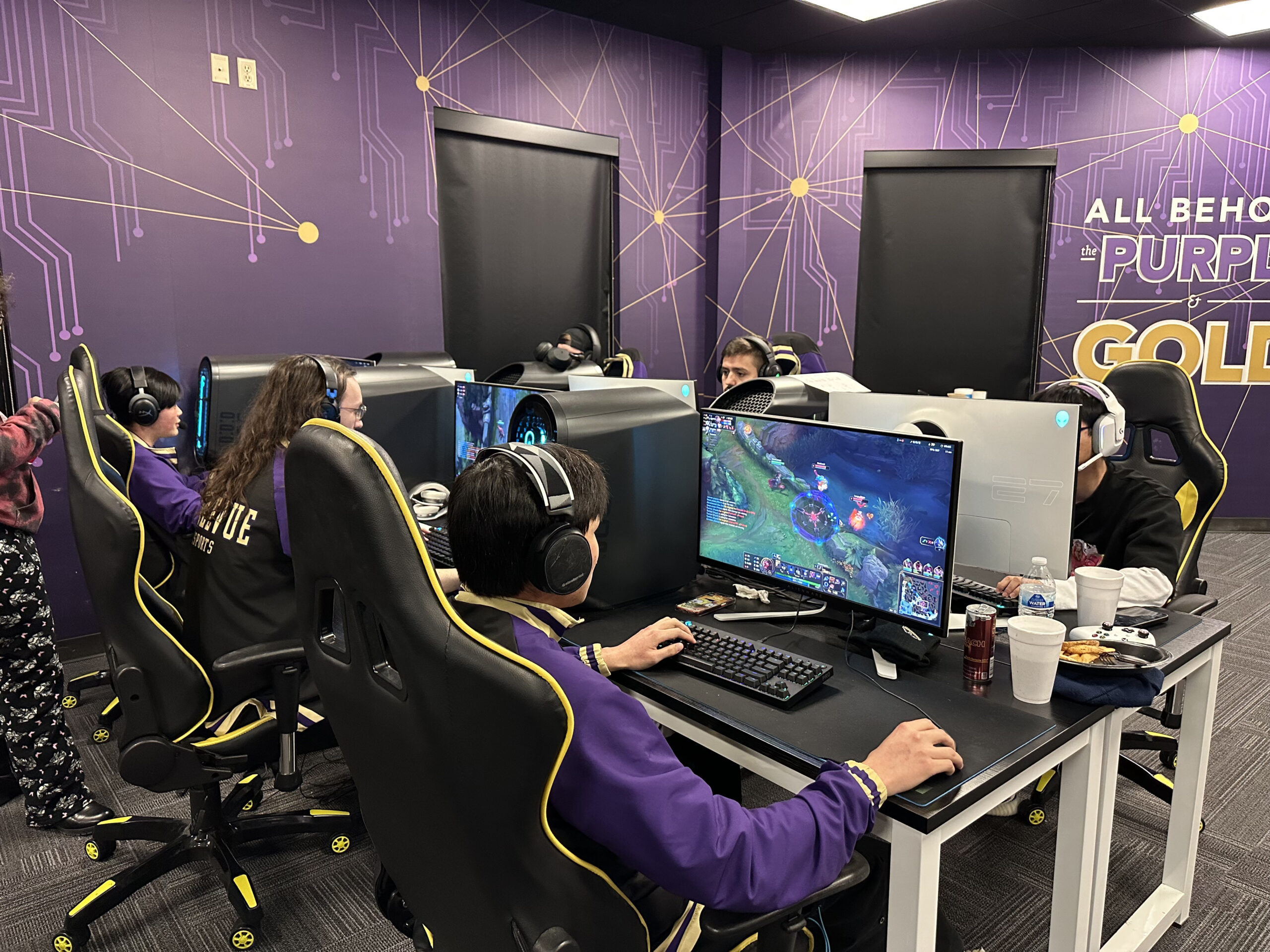
Esports isn’t just a hobby—it’s a global phenomenon. From stadiums packed with thousands of cheering fans to millions more tuning in online, competitive gaming has transformed into a multi-billion-dollar industry that’s changing the way we think about sports, entertainment, and careers. In 2024 alone, the global games market hit $187.7 billion, with 85% of consumers engaging with games in some form. Esports is a key driver in this growth.
If you’ve ever dreamed of turning late-night gaming into a real career, this is your moment. From professional players to coaches, content creators, and business strategists, the Esports world offers multiple paths. Programs like Bellevue University’s nationally ranked Esports program provide students with the tools, coaching, and competitive environment to thrive in this exciting industry.
Why Esports Careers Are Growing So Quickly
Esports careers are expanding rapidly because the industry itself is evolving into a dynamic, high-demand sector. Professional teams, tournaments, and streaming platforms are creating new roles beyond competitive play, while brands and sponsors are investing heavily, fueling opportunities in marketing, event management, and business operations.
By 2024, the global Esports audience was projected to reach 285.7 million enthusiasts, demonstrating widespread consumer interest and engagement. The Esports market is expected to hit approximately $2.89 billion in 2025, with revenue trends pointing upward—highlighting the long-term viability of these careers. Major tournaments like League of Legends World Championship and The International continue to attract massive global viewership, further cementing Esports as a mainstream industry.
Several factors contribute to this growth:
- Increased Popularity: Gaming has become a mainstream form of entertainment, appealing to audiences across all age groups, resulting in a large and engaged audience.
- Digital Platforms: Streaming services such as Twitch, YouTube Gaming, and Facebook Gaming allow Esports content to reach a global audience instantly.
- Sponsorship Opportunities: Brands recognize the marketing potential in Esports, leading to lucrative partnerships and job opportunities in marketing and event management.
- Technological Advancements: Improved gaming technology, virtual reality, and analytics tools have expanded the industry’s scope, creating new career roles beyond competitive play.
Top Career Paths in Esports
Esports careers go far beyond being a professional player. Behind every tournament, livestream, and championship team is a network of professionals working in technology, media, business, and production. Understanding these roles—and where they exist in the industry—can help students identify the path that best fits their skills and interests.
Professional Player:
Professional players compete in structured leagues and tournaments operated by game publishers and Esports organizations. Titles from companies like Riot Games (League of Legends, Valorant), Valve (Dota 2, Counter-Strike), and Activision Blizzard (Overwatch 2, Call of Duty) anchor much of the competitive ecosystem.
While only a small percentage of players reach the professional level, collegiate programs play an important role in development. Nationally ranked programs offer competitive experience, coaching, and exposure that mirror professional environments. Many players also supplement competition with streaming, sponsorships, and content creation to build long-term careers.
Content Creator/Streamer:
Not every Esports career requires tournament play. Content creators and streamers build audiences by livestreaming gameplay, producing videos, and engaging fans across platforms such as Twitch, YouTube Gaming, and TikTok. Some creators focus on entertainment, while others specialize in education, commentary, or analysis.
These roles often evolve into careers in brand partnerships, influencer marketing, or media production. Experience with streaming technology, audience engagement, and content strategy can translate directly into professional opportunities.
Esports Coach or Analyst:
Coaches and analysts work closely with players to improve performance, strategy, and teamwork. Analysts study gameplay data, opponent strategies, and performance trends, while coaches focus on communication, leadership, and skill development.
At higher levels, these roles exist within professional organizations, collegiate programs, and even game publishers. Companies like Riot Games and Valve employ competitive operations and analyst teams to support leagues and tournaments.
Broadcasting, Production, and Media Roles:
Every Esports match requires a production team. Play-by-play commentators, color analysts, producers, observers, and technical directors work together to deliver professional broadcasts. These roles are essential at every level—from collegiate leagues to global championships.
Major tournaments are streamed worldwide with support from production partners and platforms like Twitch and YouTube, creating steady demand for professionals with experience in live production, audio/video technology, and storytelling. Students who gain hands-on experience broadcasting collegiate matches are building skills directly applicable to Esports media careers.
Marketing, Sponsorship, and Brand Management:
Esports is fueled by partnerships with global brands. Companies like NVIDIA, Intel, Logitech, Razer, and Red Bull invest heavily in Esports through sponsorships, hardware partnerships, and marketing campaigns. Behind those partnerships are professionals managing brand strategy, social media, sponsorship activation, and community engagement.
These roles blend business strategy with gaming culture—making them a strong fit for students interested in marketing, communications, or entrepreneurship. Collegiate Esports programs provide early exposure to branding, social content creation, and fan engagement at a smaller but realistic scale.
Game Developer and Publisher Roles:
Game publishers are the backbone of Esports. Companies like Riot Games, Epic Games, Valve, and Activision Blizzard oversee competitive ecosystems, rulesets, league operations, and live-service updates.
Careers in this space extend beyond game design and engineering. Roles include community management, Esports operations, competitive integrity, live event coordination, and player relations. A strong foundation in technology, business, or digital media—paired with Esports experience—can open doors into publisher-side careers.
Event and League Operations:
From collegiate tournaments to global championships, Esports events require professionals who manage logistics, scheduling, competitive formats, and player experiences. League operators work behind the scenes to ensure fair play, smooth broadcasts, and engaging fan experiences.
Student-run leagues like the Bellevue University Brawlhalla Collegiate League give students a rare opportunity to gain real-world experience in tournament administration, developer partnerships, and competitive operations—skills directly transferable to careers with leagues and Esports organizations.
Esports Business and Operations Management:
Every team and league needs professionals managing budgets, contracts, compliance, and long-term strategy. Esports business managers often come from backgrounds in business administration, sports management, or entrepreneurship.
These roles are critical to the sustainability of the industry, especially as Esports continues to grow and professionalize. Collegiate programs that emphasize academic success alongside competition help prepare students for leadership roles beyond gameplay.
“Esports isn’t just about winning games; it’s about building futures. At Bellevue University, we’re demonstrating that your passion for gaming can lead to a college degree and a fulfilling career.”
– David Castillo-Ferrin, Bellevue University Esports head coach
Understanding the Esports Business Landscape
Esports is a fast-growing, multi-layered industry with opportunities across competitive, creative, and business roles. Understanding the ecosystem helps aspiring professionals see where they fit and how to advance their careers.
Key Components of the Esports Ecosystem
- Teams and Organizations: Professional and collegiate teams operate like traditional sports franchises. At the collegiate level, Bellevue University fields multiple varsity and junior varsity squads competing nationally in titles such as Overwatch 2, League of Legends, Valorant, Apex Legends, Rocket League, and Brawlhalla. These teams manage players, coaches, branding, and sponsorships, creating a microcosm of the Esports business world.
- Leagues and Tournaments: Competitive structures are central to Esports. Students at Bellevue University participate in major leagues, including the National Association of Collegiate Esports (NACE), NECC, PlayVS, Octane, and the Bellevue Brawlhalla Collegiate League (BCL). These leagues provide structured seasons, national rankings, and exposure to professional-level competition. Globally, professional leagues are supported by developers like Riot Games (League of Legends), Valve (Dota 2, CS:GO), and Epic Games (Fortnite), who sponsor events and provide infrastructure for tournaments.
- Media and Streaming Platforms: Platforms such as Twitch, YouTube Gaming, Facebook Gaming, and even TikTok drive massive Esports viewership. Streamers and teams generate revenue through subscriptions, ads, and sponsorships, creating opportunities for content creation, broadcasting, and social media management. Bellevue’s Esports arena allows student-athletes to practice, stream, and produce content in a professional environment.
- Sponsors and Tech Partners: Esports attracts investment from brands across technology, energy drinks, apparel, and beyond. Companies like Corsair, NVIDIA, Intel, Razer, Logitech, and HyperX provide sponsorships, hardware, and marketing partnerships. These collaborations create career opportunities in marketing, sponsorship management, event planning, and product partnerships. Collegiate programs, including Bellevue University, often leverage these relationships for equipment, scholarships, and exposure for their athletes.
- Game Developers and Publishers: Developers are at the center of Esports. Companies like Riot Games, Activision Blizzard, Valve, and Epic Games create and maintain the games that fuel competitive play, host leagues, and sponsor tournaments. Professionals in Esports may work with these companies in roles spanning game development, quality assurance, community management, and professional league administration.
- Event Production and Broadcasting: Esports tournaments require expert production, from live commentary to multi-camera broadcasts. Professionals may work in broadcasting, event logistics, content production, or technical support. Bellevue University students gain hands-on experience producing and streaming content in leagues such as BCL and NACE events.
- Merchandising, Branding, and Community Engagement:Teams build their brands through merchandise, social media, and community engagement. Students can gain experience managing marketing campaigns, designing apparel, and creating content to increase fan engagement—skills transferable to a wide range of Esports and tech-industry careers.
Why Education Matters in Esports
Turning Esports passion into a career requires more than talent—it requires knowledge, experience, and mentorship. Bellevue University integrates academics and Esports, offering:
- High-level Coaching: Coaches provide mentorship and competitive guidance.
- Academic Support: Tutoring, study halls, and personalized advising help student-athletes balance Esports with degree requirements. See all of Bellevue University’s student support services.
- Scholarships: Substantial Bruin Advantage Scholarships make education accessible while athletes compete at a high level.
- Professional Development: Participation in leagues and student-run initiatives like the Brawlhalla Collegiate League helps students gain career-ready skills in content creation, event management, and team leadership.
Bellevue University’s program emphasizes that Esports success and academic achievement go hand in hand, preparing students for careers both in and outside of gaming.
Salary and Career Outlook
The financial potential in Esports varies widely depending on the career path. Professional players can earn anywhere from a few thousand dollars in smaller tournaments to millions for top-tier competitors, often supplemented with sponsorships and streaming revenue.
Other Esports roles, such as marketing specialists, event managers, and business managers, tend to follow standard corporate salary ranges with higher potential in executive positions or with prominent teams.
Importantly, the career outlook for Esports professionals is strong. The industry’s growth trajectory and rising revenues suggest long-term stability and expansion in career opportunities. As the Esports audience and market continue to grow globally, the demand for skilled individuals in management, media, coaching, and technical roles is expected to rise as well.
How to Start a Career in Esports
Getting started in Esports requires a combination of practical experience, networking, and education:
- Develop Your Skills: Whether as a player, coach, or content creator, focus on improving your skills and building a portfolio or online presence.
- Gain Experience: Volunteer, intern, or participate in small tournaments to understand the industry’s inner workings.
- Network: Connect with other Esports professionals, attend industry events, and engage with online communities.
- Pursue Education: Consider degrees or certificate programs in business, digital media, sports management, or technology to gain relevant expertise.
- Stay Informed: Follow industry news, trends, and technological advancements to remain competitive in this fast-evolving field.
Conclusion: Turning Esports Passion into a Professional Career
Esports has grown into a multi-billion-dollar global industry with diverse career paths for players, coaches, content creators, and business leaders. With strategic education, mentorship, and real-world experience, aspiring Esports professionals can transform their passion into a rewarding career.
Bellevue University offers student-athletes the unique opportunity to compete nationally, gain exposure in professional leagues, and receive world-class academic and coaching support. From high-performance facilities to national recognition, scholarships, and student-run leagues, BU equips students to thrive in the Esports industry and beyond.
Whether your goal is competing on the global stage, shaping the business side of Esports, or producing content for millions of fans, Bellevue University’s program is a launchpad for your future.
ready to
learn more?
Fill out the form, and an Admissions Counselors will be happy to answer all your questions.
let's talk.