

Balancing Academics and Athletics: How Student-Athletes Manage School and Sports Successfully
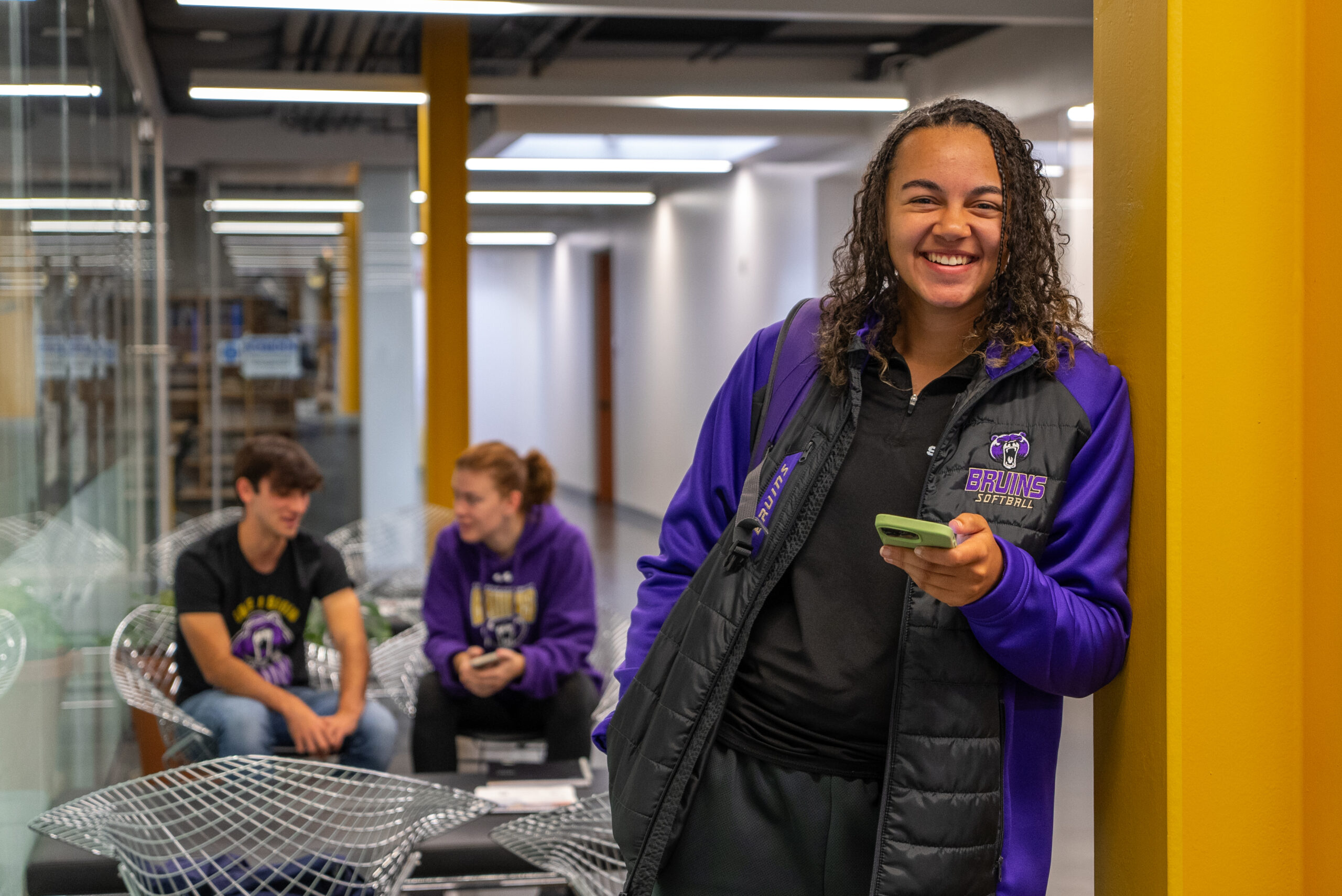
For student-athletes, a day rarely fits neatly into a calendar. Classes, labs, and assignments compete with early-morning practices, team meetings, and recovery sessions, all within schedules that leave little room to breathe. Many juggle about 70 hours each week of combined academic and athletic commitments, and the pressure to perform both on the field and in the classroom can feel relentless.
Between coordinating travel schedules, carving out study hall time, and checking in with academic advisors, every hour counts. Balancing sports and academics requires more than effort—it requires planning, focus, and the right support. Universities like Bellevue University provide resources that help student-athletes manage these overlapping responsibilities, so they can succeed in both arenas without burning out.
To truly understand why this balance is so challenging, it helps to first look at what it really means to manage school and sports at the same time.
What Does It Mean to Balance Academics and Athletics?
A typical schedule can feel like a constant loop: class, practice blocks, recovery periods, team meetings, and travel, with only small windows carved out for studying or assignments. Unlike traditional students who may enjoy longer, uninterrupted study periods, student-athletes often have to squeeze coursework into 1–3 hour blocks between class and practice, or during brief moments on travel days.
The challenge intensifies during competition cycles. Multi-day tournaments or away games can disrupt regular class attendance, compress study hall time, and push recovery sessions into hours that would otherwise be dedicated to coursework. Even in the off-season, when travel is less frequent, academic time is fragmented by ongoing practices, treatment sessions, and fitness maintenance, creating a constant need to adjust routines.
The pressures student-athletes face daily extend beyond just logistics. They must remain mentally sharp for both practice and class, manage energy levels to prevent burnout, and meet expectations from coaches, professors, and themselves—all within a fixed schedule that leaves little flexibility. Academic advisors often serve as critical guides, helping student-athletes coordinate course loads around practice and travel, and study hall structures provide essential—but limited—time to keep up with assignments.
Balancing school and sports is not a static skill; it requires constant adjustment, careful prioritization, and awareness of one’s own limits. Understanding these structural and emotional realities is the first step in learning effective strategies for time management, which we’ll explore in the next section.
Time Management Strategies for Student-Athletes
Effective time management isn’t about squeezing every minute—it’s about planning strategically, prioritizing tasks, and making the most of structured support.
Student-athletes often rely on several practical strategies to stay on track:
- Weekly planning routines: Mapping out commitments in advance helps athletes carve out dedicated time for coursework, break larger assignments into smaller chunks, and schedule review sessions during lighter periods of the week. This keeps responsibilities from piling up and reduces last-minute stress.
- Advisor-guided course scheduling: Academic advisors often pre-build schedules around competition cycles and other commitments, helping student-athletes make informed decisions about course loads, deadlines, and tutoring resources.
- Structured study hall sessions: Many student-athletes use 6–8 hours per week of guided study hall to focus on assignments, review materials, or prepare for exams. Tutoring support often peaks during midterms, finals, and heavy travel periods, offering extra help when it’s most needed.
- Maximizing off-season windows: Weeks without competitions provide more predictable blocks of time that can be used to get ahead on readings, draft papers, or tackle larger projects, giving student-athletes a buffer for busier parts of the season.
By combining these approaches—planning, leveraging support, and breaking work into manageable chunks—student-athletes can stay on top of both school and sports without feeling overwhelmed. Developing these habits also builds a foundation for long-term organization and productivity.
How Can Student-Athletes Keep Their Grades Up During the Season?
Maintaining strong academic performance during the competitive season requires more than time management—it’s about academic execution. Student-athletes often face predictable pressure points: missed classes during travel-heavy periods, early-season adjustments, midterms, and multi-day competitions. Here’s how they stay on top of coursework:
- Communicate proactively with professors: Sending advance-notice travel letters or emails allows instructors to coordinate makeup work, provide lecture notes, or adjust assignment deadlines, preventing small absences from turning into bigger setbacks.
- Leverage academic advisors: Advisors, known as Student Coaches at Bellevue University, help student-athletes design course loads and sequence classes strategically, avoiding stacking particularly challenging gateway courses during peak competition periods. This planning reduces the risk of grade dips when academic and athletic demands overlap.
- Tap into support resources: Tutoring centers, office hours, and supplemental instruction sessions offer targeted help, especially for gateway courses. Many athletes lean on these supports early in the semester or during travel-heavy stretches.
- Develop a makeup-work strategy: Reviewing syllabi in advance, submitting assignments early when possible, and using campus resources while traveling ensures continuity and prevents missed deadlines from affecting overall performance.
By combining proactive communication, advisor guidance, academic support, and a clear makeup-work plan, student-athletes can protect their grades while maintaining athletic commitments. Approaching academics with the same strategic mindset as sports makes the busiest weeks manageable and sustainable.
How Do Student-Athletes Manage Schoolwork While Traveling?
Travel adds a layer of complexity to balancing sports and academics, but student-athletes develop practical strategies to stay on top of schoolwork even when away from campus. Here’s how they typically manage it:
- Use hotel downtime for focused work: Many athletes carve out 1–2 hours in the hotel to draft assignments, review notes, or read course materials. This concentrated time is essential for tackling work that requires attention and continuity.
- Reserve bus or van travel for lighter tasks: Longer travel periods are better suited for reading slides, reviewing flashcards, or annotating materials. These activities keep athletes engaged without needing full focus in noisy or cramped environments.
- Coordinate with professors: Sending early notices about travel, arranging remote submission of assignments, or requesting early exams ensures that missed classes don’t derail academic performance. This communication is key to staying aligned with course expectations.
- Bring materials offline or in print: Having printed readings or offline files guarantees that students can continue working even when Wi-Fi is unreliable or unavailable, preventing downtime from turning into lost productivity.
- Split assignments strategically: Student-athletes often break larger projects into pieces, completing some work before travel and reserving lighter tasks for travel days or hotel study windows.
- Check upcoming deadlines in advance: Reviewing syllabi the week before travel-heavy periods helps prioritize tasks and avoid last-minute surprises, giving athletes a roadmap for managing assignments while on the road.
By combining realistic study strategies, proactive professor communication, and smart use of travel time, student-athletes keep their coursework on track despite the challenges of being away from campus.
How Can Student-Athletes Manage Stress, Fatigue, and Burnout?
Roughly one in three student-athletes report feeling overwhelmed during the season, with stress often peaking early in the season or around midterms. About 40% of student-athletes said that they regularly sleep less than 7 hours per night on weeknights. This can manifest in decreased focus, mood shifts, or even recurring minor injuries. Recognizing these signs early is essential for maintaining both performance and well-being.
Student-athletes manage stress and prevent burnout through a combination of realistic strategies and support systems:
- Prioritize mental wellbeing: Counseling centers and mental health resources provide guidance for coping with pressure, navigating emotional fatigue, and developing strategies to handle overwhelming periods of work and training.
- Leverage athletic trainers and recovery periods: Physical fatigue is closely tied to mental strain. Athletes work with trainers to incorporate recovery practices that support energy levels, reduce injury risk, and maintain consistent performance.
- Maintain sleep routines whenever possible: Even during the busiest stretches, setting consistent sleep patterns and recognizing when fatigue is building helps prevent the downward spiral of cumulative stress.
- Communicate within team culture: Open communication with coaches and teammates can alleviate pressure and create shared awareness of workload or fatigue. Discussing challenges early often prevents stress from becoming burnout.
- Recognize early warning signs: Mid-season slumps, difficulty concentrating, irritability, or recurring minor injuries are indicators that stress or burnout may be developing. Awareness allows athletes to take proactive steps before issues escalate.
- Segment high-pressure periods conceptually: During back-to-back competitions or peak academic deadlines, student-athletes often mentally break tasks into manageable pieces, focusing on immediate priorities while planning for upcoming obligations.
By understanding these stressors and responding with both mental and physical strategies, student-athletes can sustain performance and well-being throughout the season. These behaviors naturally connect to institutional support systems, which we’ll explore in the next section.
What Academic Support Systems Help Student-Athletes Succeed?
Student-athletes benefit from a structured ecosystem of academic support designed to help them stay on track throughout the season. These systems work together to coordinate coursework, reinforce accountability, and provide targeted assistance, ensuring that athletes can meet academic expectations alongside athletic commitments.
- Academic advisors: Advisors play a central role in guiding student-athletes through course selection, scheduling classes around anticipated practice and travel windows, and helping plan course sequences that align with each student’s academic and athletic demands.
- Tutoring centers and learning specialists: For subject-specific challenges, especially in high-demand majors or gateway courses, tutors and learning specialists offer focused support. Athletes often engage with these resources early in the semester to build foundational understanding, preventing knowledge gaps from affecting later performance.
- Faculty office hours: Professors provide one-on-one time for clarification, feedback, and help catching up after missed classes. Regular engagement with faculty allows athletes to address questions promptly, stay aligned with expectations, and maintain academic momentum even during travel or intensive competition cycles.
- Structured progress monitoring: Many teams use reporting systems that track academic progress throughout the season. Coaches and advisors receive updates, reinforcing accountability and allowing for timely interventions if an athlete begins to fall behind.
- Eligibility check-ins: Periodic reviews ensure that student-athletes remain in good standing to participate in their sport. These check-ins are integrated into the broader support system, creating checkpoints that help athletes balance both academic performance and athletic eligibility.
Together, these academic support systems form a coordinated network that not only helps student-athletes manage immediate demands but also creates a predictable framework for success.
What Long-Term Skills Do Student-Athletes Gain from Balancing Academics and Athletics?
Balancing academics and athletics shapes skills and strengths that last well beyond college. Student-athletes consistently develop competencies that employers highly value, from teamwork and communication to adaptability and resilience. These experiences can help build skills employers often value, such as teamwork, problem-solving, and communication.
Some of the key long-term skills gained include:
- Teamwork and collaboration: Regular coordination with coaches, teammates, faculty, and advisors cultivates the ability to work effectively with diverse groups, listen actively, and contribute meaningfully to shared goals.
- Communication confidence: Managing multiple responsibilities requires clear, timely communication. Student-athletes often cite improved confidence in discussing expectations, asking for guidance, and providing updates—a skill that carries over into professional settings.
- Resilience and persistence: Facing back-to-back competitions, challenging coursework, and unexpected setbacks helps athletes build mental toughness. Some employers may view this persistence favorably, seeing former athletes as individuals who can navigate challenges without losing focus or motivation.
- Adaptability and problem-solving: Balancing overlapping demands fosters flexibility. Student-athletes learn to pivot when schedules change, handle unforeseen challenges, and identify creative solutions—abilities that are highly prized in dynamic work environments.
- Leadership and responsibility: Serving as team captains, mentoring younger teammates, or managing independent academic projects develops leadership skills and a sense of accountability, preparing students to step confidently into professional and personal roles.
For many student-athletes, these capabilities are as meaningful as the lessons learned on the field or in the classroom. The process of managing dual commitments creates a foundation for lifelong growth, equipping graduates with practical strengths, professional credibility, and the confidence to thrive in a variety of settings.
“Bellevue University athletics has a top priority: Graduation of all our student-athletes. We like to see our student-athletes leave here as well-rounded individuals, ready to take on their futures. We believe academics are the most important thing for these athletes, and our coaches support this while encouraging each of our athletes to be the best they can be at their sport.”
– Ed Lehotak, Director of Athletics, Bellevue University
How Bellevue University Supports Student-Athletes in Balancing School and Sports
Bellevue University is designed to support students with demanding, complex schedules. For student-athletes, that means academic systems built around flexibility, planning, and consistent support—without asking students to choose between education and other commitments.
- Student-focused academic advising: Bellevue’s advisors work with student-athletes to plan coursework proactively, helping them navigate overlapping responsibilities and stay focused on long-term academic progress.
- Flexible learning pathways: Online and flexible program options allow students to continue moving forward academically, even when schedules change or commitments intensify.
- Faculty experienced with competing priorities: Bellevue faculty understand that many students balance multiple responsibilities. Clear expectations, consistent communication, and academic continuity help student-athletes stay engaged and supported.
- Resources that support proactive planning: From early course planning to guidance on managing demanding schedules, Bellevue emphasizes preparation and structure to help students stay on track academically.
- A student-first approach: Bellevue’s broader mission of serving working learners and students with complex lives creates an environment where student-athletes are supported as whole learners, not just as students in a single role.
Together, these elements reflect Bellevue University’s commitment to helping student-athletes succeed academically while balancing the realities of demanding schedules.
FAQs
Q: How do student-athletes balance academics and athletics successfully?
A: Student-athletes balance academics and athletics by planning ahead, communicating proactively with professors, and using academic support systems like advisors, tutoring, and structured study time. Because schedules are often fixed and demanding, success comes from anticipating challenges and adapting routines rather than trying to manage everything reactively.
Q: Why is balancing school and sports especially challenging for student-athletes?
A: Balancing sports and academics is challenging because student-athletes work within limited flexibility. Practices, competitions, travel, and recovery are fixed, while academic work must often fit into short or disrupted windows. These overlapping responsibilities can create pressure without strong planning and support in place.
Q: How do student-athletes keep up with coursework during away games or travel?
A: Student-athletes manage schoolwork while traveling by coordinating with professors ahead of time, bringing academic materials offline, and using hotel downtime for focused study. Lighter tasks, like reading or reviewing notes, are often completed during bus or van travel, while more demanding work is handled before or after travel.
Q: What academic support helps student-athletes stay on track?
A: Academic advisors, tutoring centers, writing labs, faculty office hours, and eligibility monitoring systems all play important roles. These resources work together to help student-athletes plan coursework, clarify expectations, and maintain steady academic progress throughout the season.
Q: Do the skills student-athletes develop translate to life after college?
A: Yes. Balancing academics and athletics helps student-athletes build transferable skills like time management, communication, adaptability, teamwork, and resilience. These strengths are often valued by employers and cited by some former student-athletes as helpful in their professional careers.
ready to
learn more?
Fill out the form, and an Admissions Counselors will be happy to answer all your questions.
let's talk.